
Measuring Democracy Through Everyday Discourse
Traditional indices focus on elections and governance. This working paper introduces a paradigm shift in how we assess democratic health, focusing on civic dialogue as the earliest signal of resilience or decay.
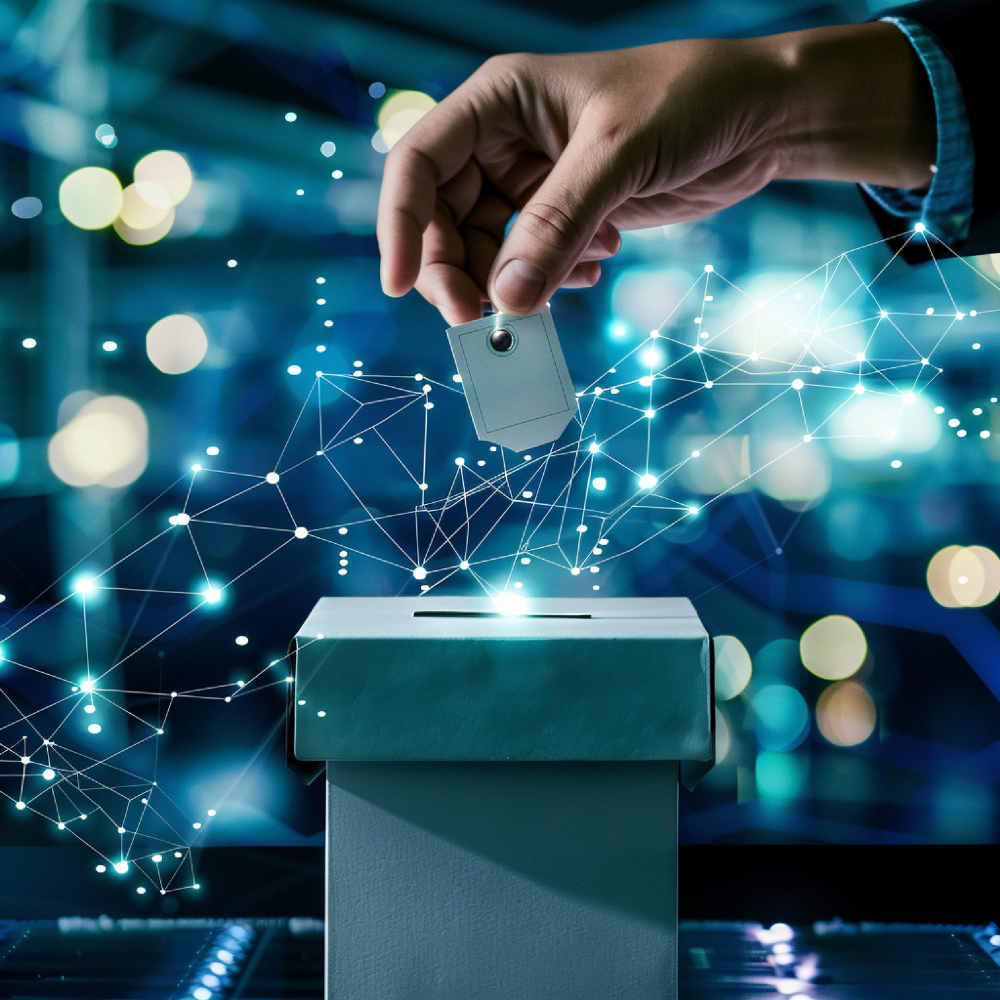
The Democracy Discourse Index (DDI) reimagines how we track democratic resilience. Developed by the Disinformation Observatory and GCRD, it integrates cultural and computational methods to analyze the tone and integrity of public dialogue in real-time.
Written by Jacob Udo-Udo Jacob, Georgi Angelov, and Liliya Grigorova, the paper argues that institutional democracy is only part of the story. Beneath laws and elections lies a cultural fabric of empathy, curiosity, truth-seeking, and respectful disagreement. When that fabric frays, democracy’s foundations weaken—even before formal institutions show signs of decay.
“What if democracy fails not at the ballot box, but in the everyday ways we talk, listen, and relate to one another?”
— Excerpt from the Working Paper
Methodology Snapshot
Theoretical Foundations
Grounded in democratic theory, the DDI measures empathy, trust, pluralism, curiosity, and constructive politics.
Human-Guided AI
Researchers train AI models using human-coded examples to detect democratic discourse patterns.
Real-Time Monitoring
The system analyzes live content from platforms and news to track tone shifts and early signs of civic decay.
What’s Next for the DDI Project
This working paper lays the conceptual foundation for the Democracy Discourse Index — a new approach to measuring civic health. By shifting the lens from institutions to discourse, the DDI opens the door to proactive, real-time democratic monitoring.
The next phase of the project will refine the methodology and expand multilingual training datasets, co-developed with researchers and students across different cultural contexts. This collaborative process aims to create tools that reflect diverse democratic norms and are scalable across platforms.